Research: The Quiet Force That Changes the World
🔬 Research: The Foundation of Innovation and Progress
Research is often misunderstood as something limited to laboratories, academic papers, or PhD scholars. In reality, research is the driving force behind nearly every major advancement in society — from modern medicine to artificial intelligence, from space exploration to smartphones.
It is not just about studying what already exists.
It is about discovering what does not yet exist.
What Is Research?
Research is a systematic and structured process of investigating a question, problem, or phenomenon to generate new knowledge or validate existing ideas.
In simple terms:
Ask a question → Collect evidence → Analyze findings → Draw conclusions
Research transforms curiosity into verified understanding.
Types of Research
1️⃣ Basic Research (Fundamental Research)

Basic research focuses on expanding knowledge without immediate commercial application.
Examples include:
Studying quantum physics
Understanding brain functions
Exploring mathematical theories
Organizations such as CERN conduct fundamental research to understand the basic laws of the universe.
Although it may not produce instant products, basic research often becomes the foundation for future technological revolutions.
2️⃣ Applied Research
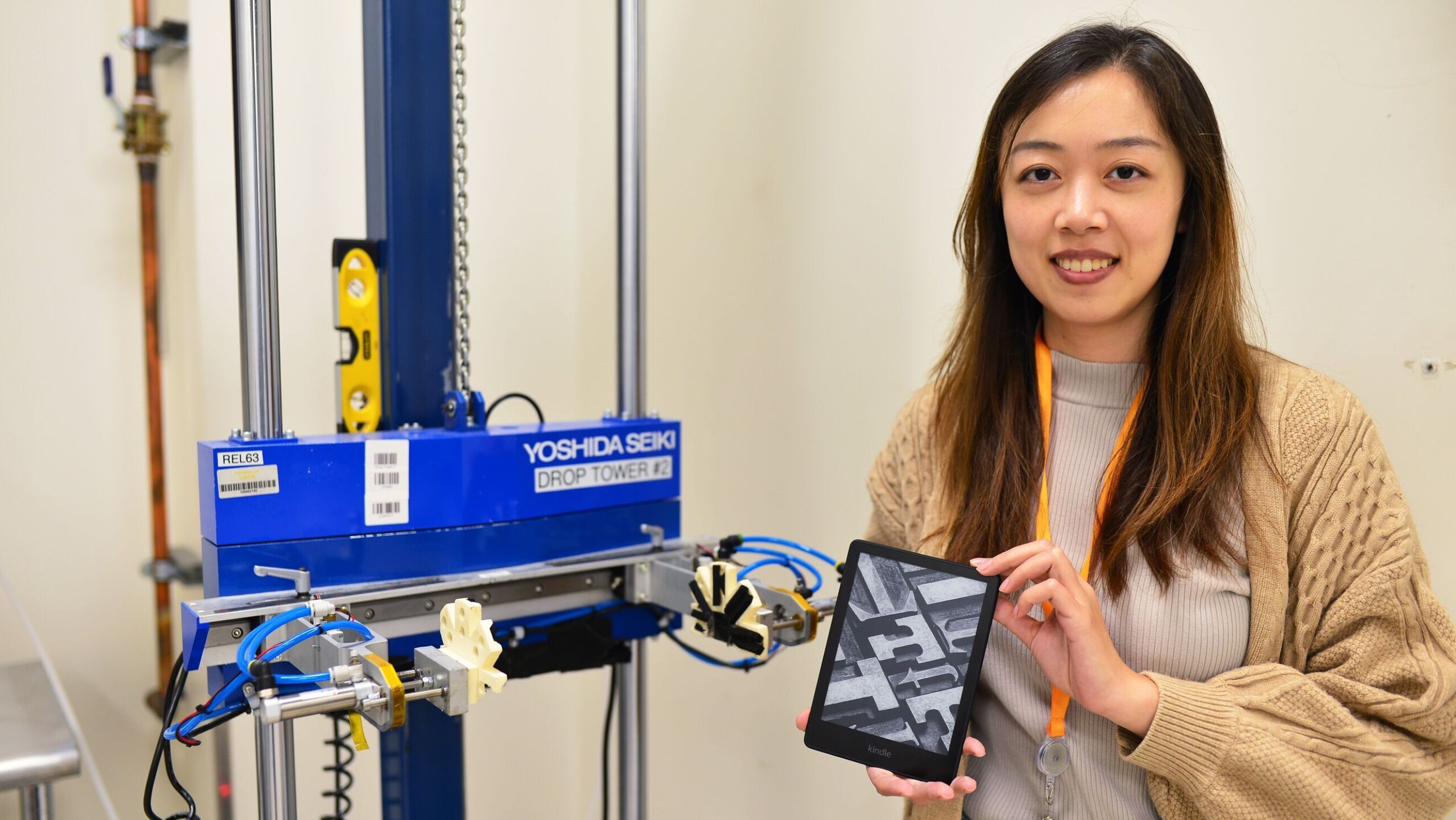

Applied research focuses on solving practical, real-world problems.
Examples:
Developing vaccines
Building artificial intelligence systems
Designing renewable energy solutions
Technology companies like Google and Microsoft invest heavily in applied research to convert ideas into products and services.
The Research Process
A structured research process generally includes:
Problem Identification – Define the question clearly.
Literature Review – Study existing research on the topic.
Hypothesis Formation – Propose a testable assumption.
Methodology Design – Decide how to conduct the study.
Data Collection – Gather relevant information.
Data Analysis – Use statistical or computational tools.
Conclusion and Publication – Present findings for peer review.
Without a systematic approach, conclusions may lack credibility. Research requires discipline and objectivity.
Research in Computer Science
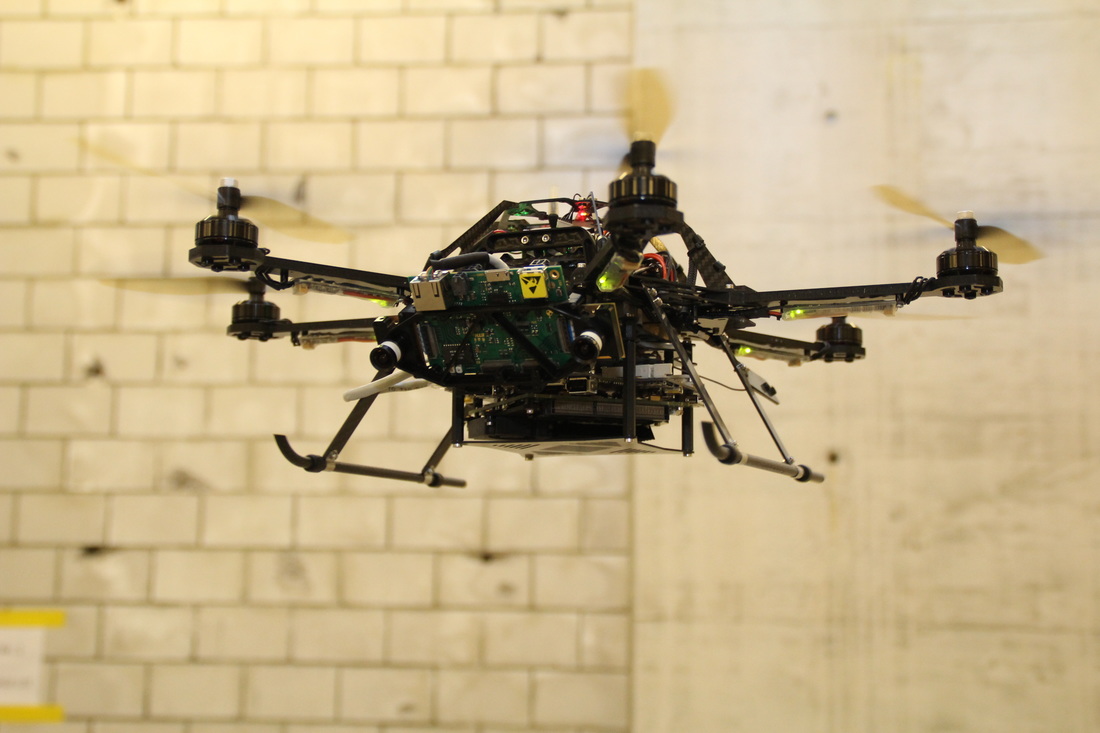
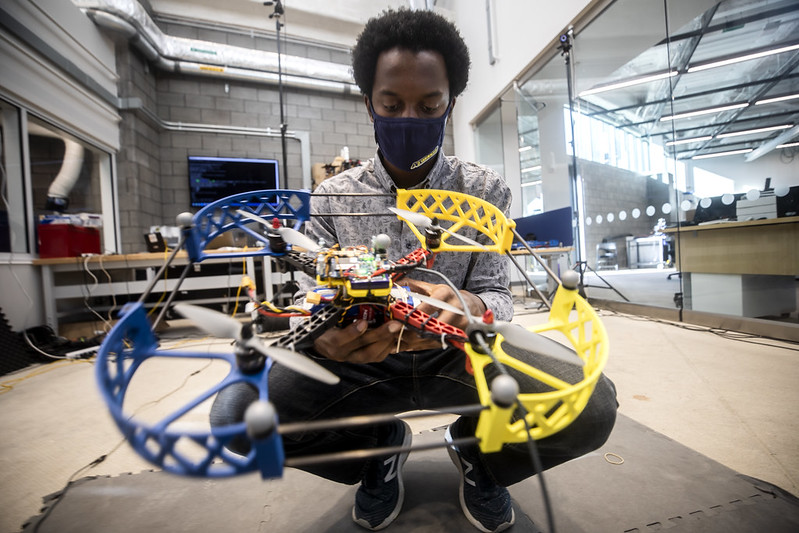
In the field of computer science, research areas include:
Artificial Intelligence
Machine Learning
Cybersecurity
Blockchain
Autonomous Systems
Human-Computer Interaction
Professional bodies such as IEEE and ACM publish high-impact research journals and organize international conferences where groundbreaking work is presented.
Publishing research in these platforms contributes to global academic recognition.
Why Research Matters
Research is essential because it:
Drives innovation
Influences public policy
Improves healthcare outcomes
Supports economic growth
Solves complex global challenges
Without research, many modern advancements — including the internet, vaccines, and renewable technologies — would not exist.
Research as a Career Path
Choosing research as a career requires:
Intellectual curiosity
Critical thinking
Patience
Analytical skills
Resilience in the face of failure
Research is rarely a fast-track path to success. It demands long-term commitment and consistent effort. However, it offers the opportunity to create meaningful impact.
Challenges in Research
Researchers often face:
Funding limitations
Publication pressure
Peer review scrutiny
Long experimental cycles
Competitive environments
Yet, these challenges strengthen analytical depth and problem-solving abilities.
Final Thoughts
Research quietly shapes the world.
Entrepreneurs launch products.
Engineers build systems.
But researchers discover the principles that make those systems possible.
If curiosity drives you, research can be more than a profession — it can be a lifelong pursuit of knowledge and impact.

Comments
Post a Comment